
October 2026

2026-10-31
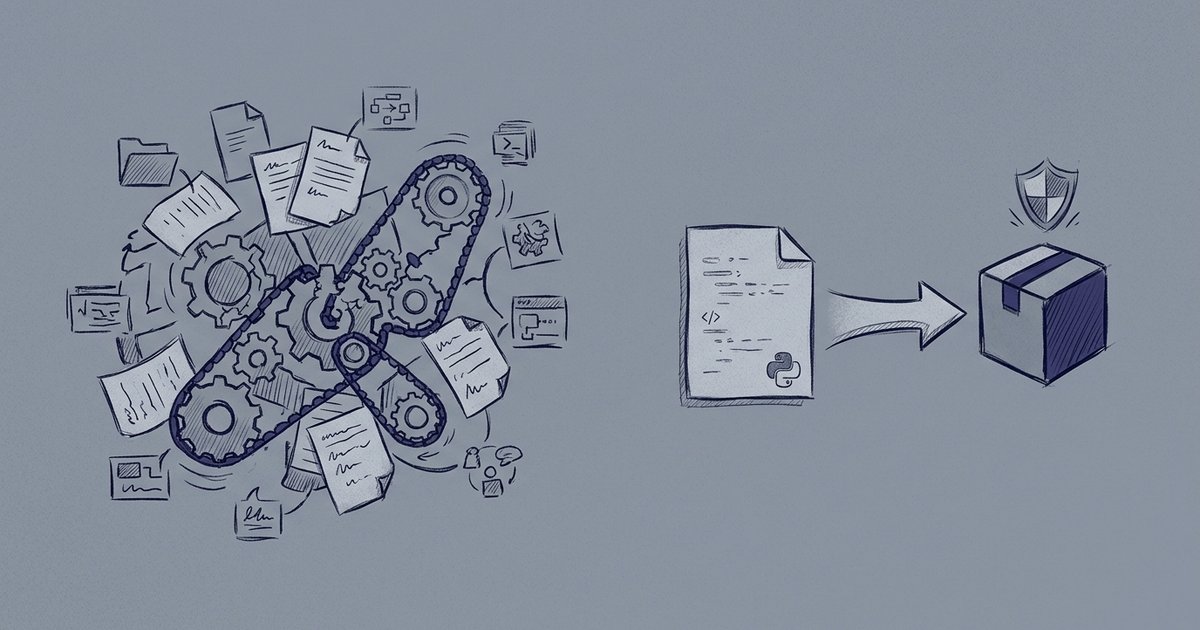
Python Licensing for On-Premise Deployments
2026-10-28
Cython Alternatives for Protecting Python Code

2026-10-27
Best Python Code Protection Tools in 2026: Obfuscators vs Compilers

2026-10-26
PyInstaller vs Compiled Python: Which Protects Source?

2026-10-25
Verifying Signed JWT Licenses Inside a Compiled Python Executable

2026-10-24
How to Ship a Python App Without Exposing Your Source Code
2026-10-23
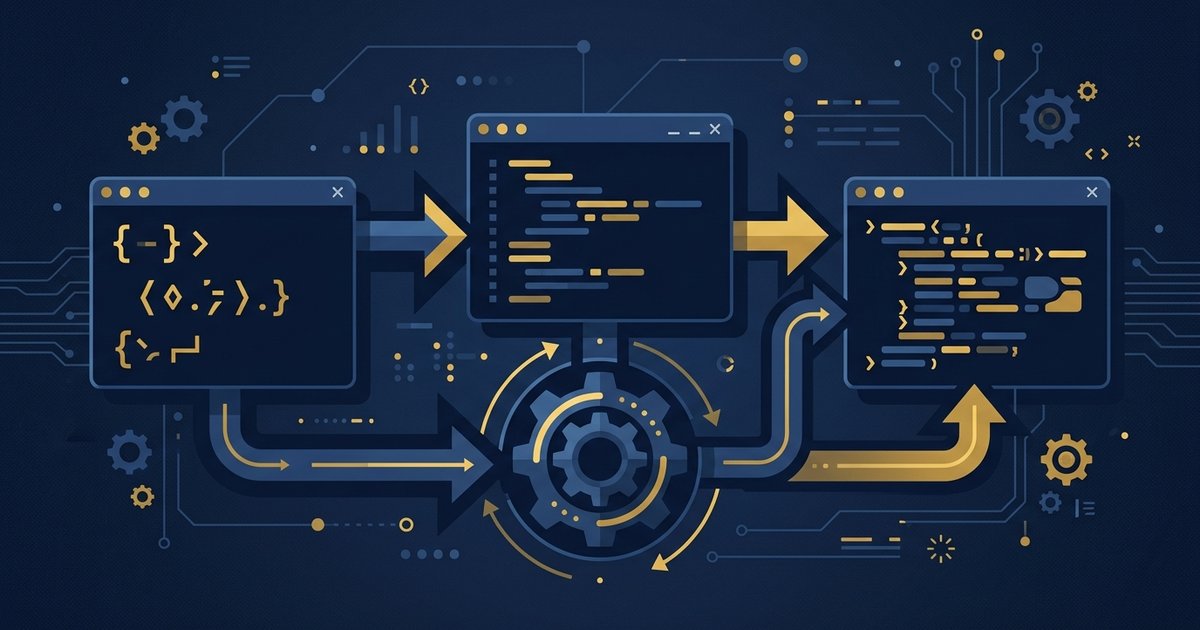
Automate Python Builds for Windows, Linux, and macOS

2026-10-22
Is Compiled Python Really Harder to Reverse Engineer?

2026-10-21
Python Code Protection Tool Pricing: Open Source vs Commercial

2026-10-20
Cython Alternatives for Protecting Python Code: Hard Way vs Zero-Config
2026-10-19
Checking a Signed License Key Inside a Python Application
2026-10-18
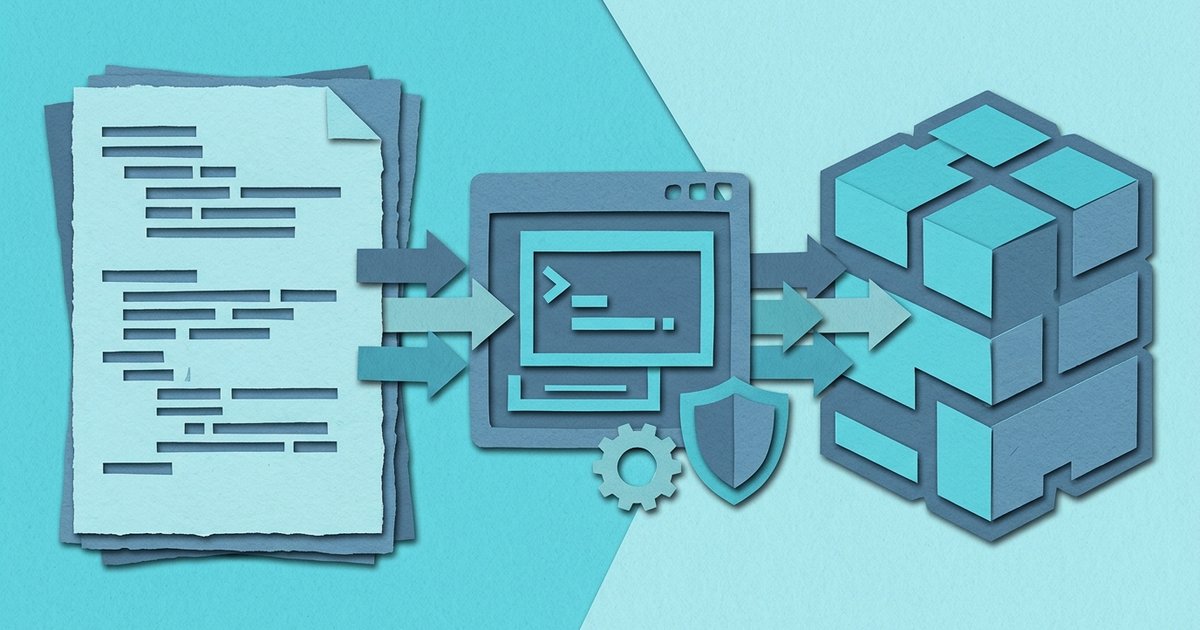
Compile Python Without Writing C Extensions or .pyx Files

2026-10-17
What Happens to Third-Party Libraries When You Compile Python?

2026-10-16
How to Ship a PEP 427 Wheel With Compiled Modules

2026-10-15
How Py2Native's --embed Builds a Portable Deployment Folder

2026-10-14
Python Native Compiler Alternatives: What Each One Optimizes For
2026-10-13
What Does Cython Actually Do to Your Python Code?

2026-10-11
Python Code Protection Tools Compared: Py2Native vs Obfuscators vs Cython

2026-10-10
Verifying a Signed JWT License Inside a Compiled Python App
2026-10-09
Compile Python to an Executable Without Cython Syntax

2026-10-08
Automating Python-to-Native Builds in CI With Py2Native
2026-10-07
Protect Python Library from Reverse Engineering: Native Compilation

2026-10-06
Best Python Compiler for Protecting Intellectual Property

2026-10-05
Protect Python Code for Commercial Software Vendors

2026-10-04
Python Obfuscation vs Native Compilation: Which Protects Better?
2026-10-03
Offline License Verification in Compiled Python Desktop Apps
2026-10-02
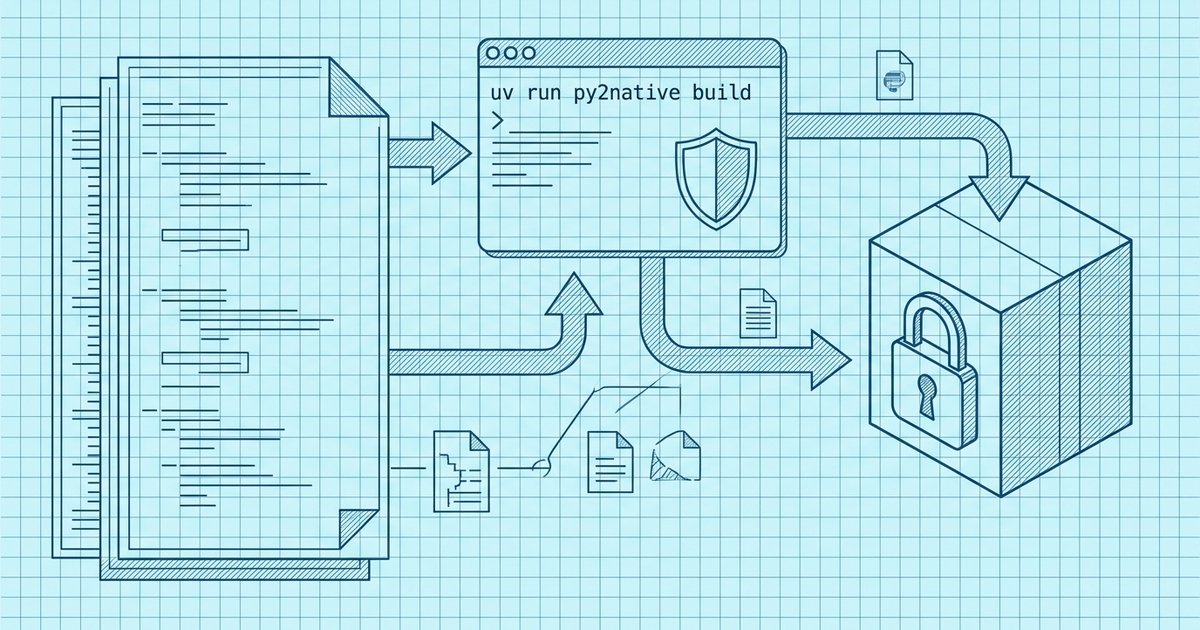
How to Protect Python Source Code From Being Read (Without Writing Cython)

2026-10-01
Is Py2Native Worth It? A Cost-Benefit Analysis for Python Developers